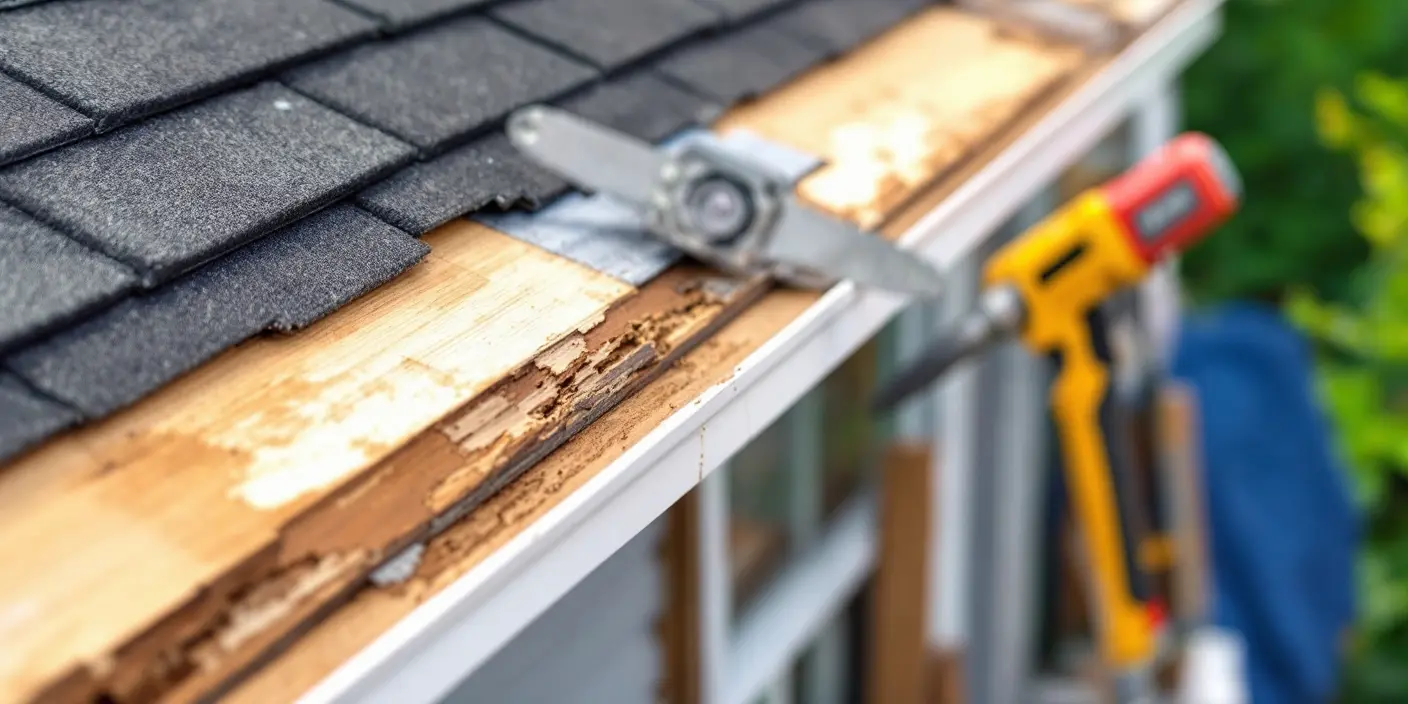
Choosing soffit and fascia materials involves more than the finished appearance. Louisiana humidity, roofline ventilation and the condition of the wood behind the visible surface all belong in the decision.
Which roofline material should you choose?
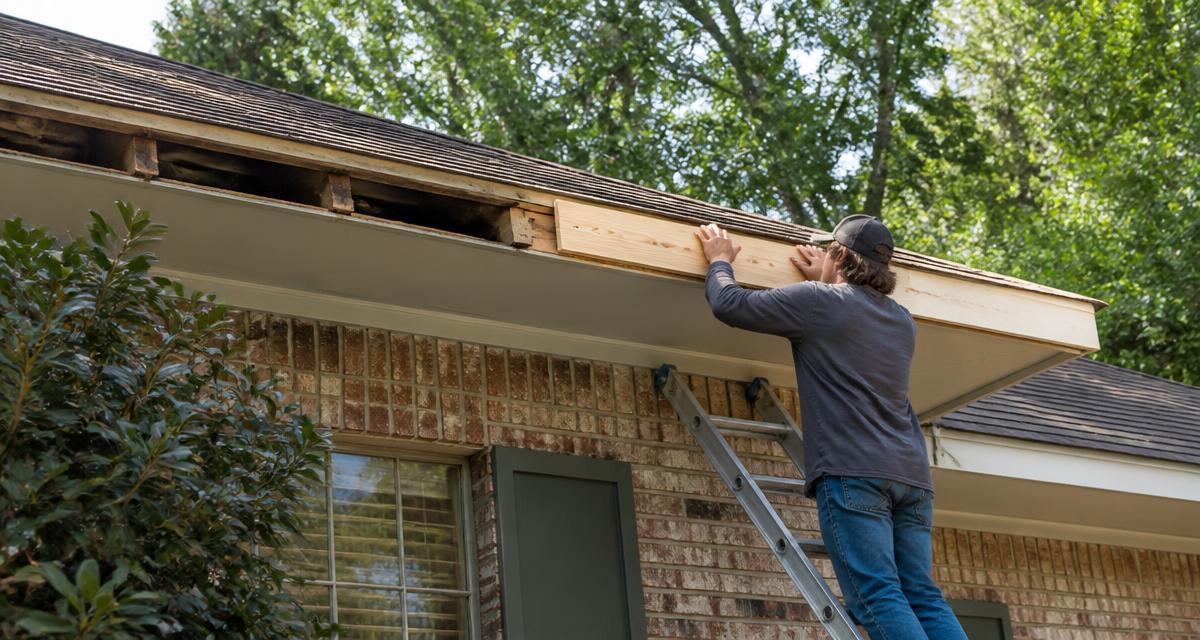
Wood and aluminum can both be appropriate for soffit and fascia work. Wood offers a traditional painted appearance but needs ongoing maintenance. Aluminum resists rot itself, though the underlying wood can still deteriorate if water enters. The right choice depends on your existing roofline, ventilation needs and exposure to moisture.
Wood: appearance and maintenance
Painted wood fascia is common on residential homes and can match existing trim profiles. Its exposed surfaces need sound coatings and appropriate detailing to limit moisture absorption. In humid Louisiana conditions, recurring peeling paint may indicate a moisture problem rather than just a cosmetic issue.
Aluminum: protection and detailing
Aluminum soffit panels and fascia covers can provide a low-maintenance exterior finish. They still need correctly fitted joints, secure attachment and an appropriate drainage path. Covering rotten wood without addressing the damage can conceal deterioration instead of resolving it.
Ventilation should guide soffit selection
Not every soffit panel needs vents, but where a roof uses soffit intake ventilation, replacement should preserve the required airflow. Insulation blocking intake openings can reduce effectiveness. Ask how the proposed material fits the existing roof ventilation design and how damaged backing will be handled.
Plan your roofline repair or replacement
Ralph's Roofing & Restoration provides soffit and fascia repair and replacement across Greater Baton Rouge, including Central and Zachary. Ask our team to assess the existing materials and discuss suitable options for your home. Call (225) 610-4116 to request a quote.
Get help
Comparing soffit and fascia materials? Contact Ralph's Roofing & Restoration for a roofline assessment and a written quote.