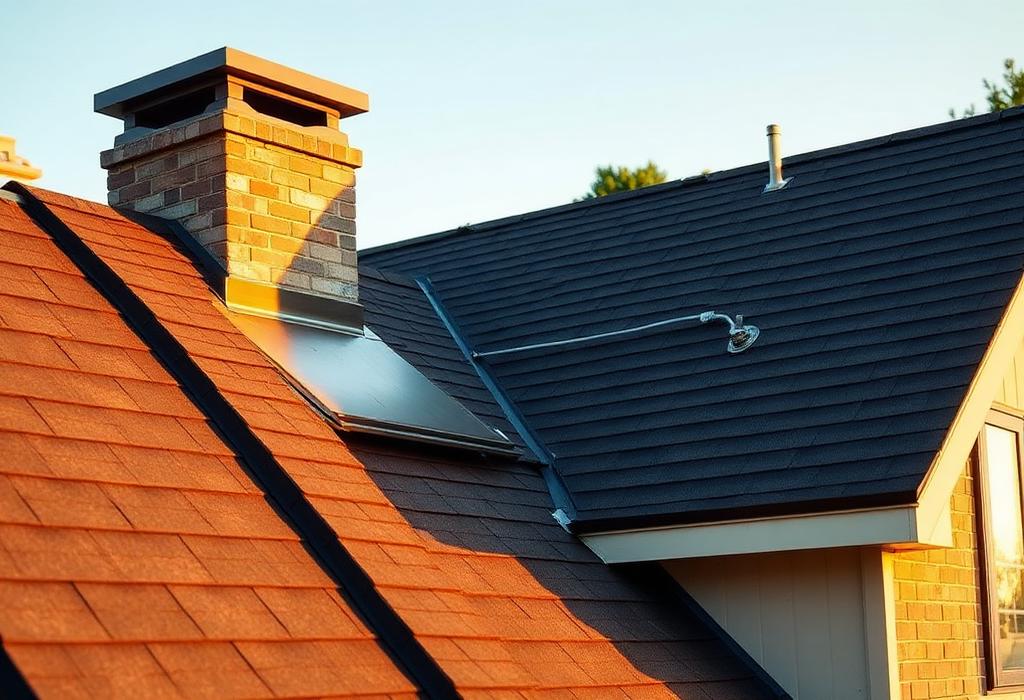
In Baton Rouge, roof flashing repair is one of the most overlooked, and most important, parts of keeping a roof leak-free. Flashing is the thin metal or waterproof membrane installed wherever your roof changes direction or something breaks through it: chimneys, vents, skylights, valleys, and the edges where the roof meets a wall. When flashing fails, water doesn't politely drip at the source. It runs along rafters, soaks insulation, and stains ceilings far from where it entered. Because our Louisiana storms dump heavy rain fast and our humidity keeps everything damp, even a small flashing gap can turn into mold, rot, and thousands in roofing and moisture repairs within a single season. This guide explains what flashing is, how to identify problems early, and why professional roof flashing repair is critical for long-term roof health in the Baton Rouge area.
What is roof flashing and why does it matter?
Flashing is a thin layer of metal, usually aluminum, copper, or galvanized steel, or a specialized rubber membrane installed at joints, penetrations, and transitions on your roof. Its job is simple but critical: direct water away from the spots where your roof is most vulnerable to leaks.
Every roof has weak points. A chimney breaks the roof plane. A vent pipe creates a hole. A valley funnels two roof slopes into one channel. Without flashing, water pools at these intersections and works its way into the decking, framing, and eventually the attic and ceiling below. In Baton Rouge, where afternoon thunderstorms can drop inches of rain in under an hour, properly installed flashing is the difference between a dry attic and a soaked ceiling.
Common types of roof flashing every homeowner should know
Each type is engineered for a specific job, and each one can fail if it was poorly installed, damaged by wind, or simply worn out by years of heat and UV exposure.
- Step flashing: used where a roof meets a vertical wall, installed in overlapping pieces that look like stairs
- Valley flashing: placed in the V-shaped valleys where two roof planes intersect to channel water down and off the roof
- Chimney flashing: a combination of step flashing along the sides, counterflashing embedded in mortar joints, and a cricket or saddle to divert water
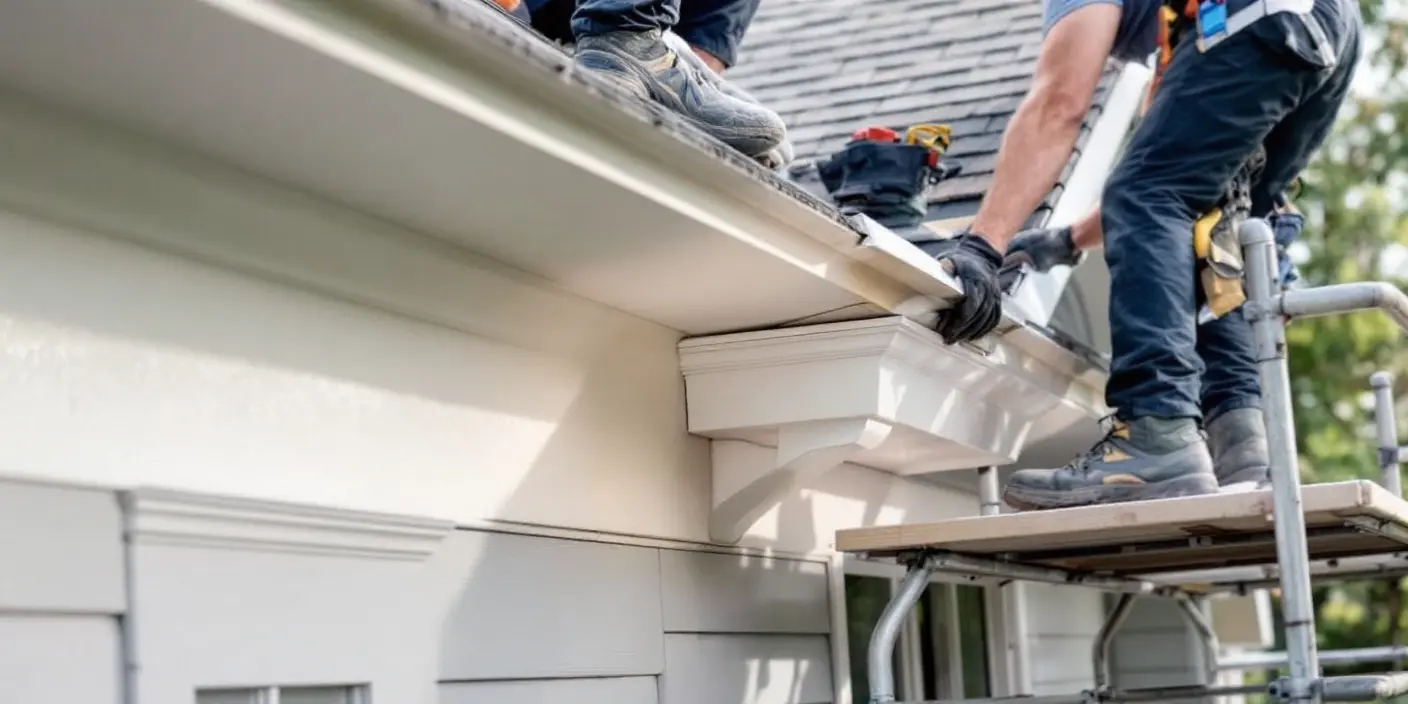
- Drip edge flashing: a metal strip along the roof's edge that guides water into gutters and protects the fascia board
- Vent pipe flashing: a metal or rubber boot that seals around plumbing and exhaust vents where they protrude through the roof
- Skylight flashing: a specialized kit that seals the frame of a skylight against the surrounding shingles
How to spot roof flashing failure, especially after heavy rain
After a heavy Louisiana rain, take a walk inside. Check ceilings, closets, and upper-floor rooms for new stains. Smell for mustiness in the attic. If anything seems off, don't wait for the next storm to confirm it, schedule an inspection.
- Water stains on ceilings or walls near chimneys, skylights, or vents, the leak often shows up far from the actual failure point
- Damp or musty odors in the attic, especially after a storm, which usually means water is getting in and sitting in insulation
- Visible rust, corrosion, or cracks in metal flashing from the ground or a safe vantage point with binoculars
- Lifted, buckled, or missing shingles around valleys, pipe boots, or wall junctions where flashing should be covered
- Gutters overflowing or water running behind them instead of through them, which can point to failed drip edge or fascia-adjacent flashing
- Daylight visible in the attic around vent pipes or chimney bases, any gap is a potential entry point for water
Why DIY flashing repair usually backfires
Patching a flashing leak with caulk or roofing cement from a hardware store might stop the drip for a few weeks, but it almost never solves the underlying problem. Water finds the path of least resistance, and if the flashing is rusted, improperly layered, or missing critical components, the leak will resurface, often in a worse spot.
Professional roof flashing repair involves removing surrounding shingles, inspecting the decking beneath, replacing the damaged flashing with correctly sized and shaped material, reinstalling the roofing with proper overlap, and sealing everything to stand up to Baton Rouge's heat, humidity, and storm cycles. It requires knowledge of how water moves across a roof, which materials work with your existing shingles, and how to layer components so the system sheds water instead of trapping it.
Why professional flashing repair is critical for long-term roof health in Baton Rouge
Baton Rouge homeowners who invest in professional roof flashing repair when problems are small avoid the far larger bills that come from water damage, mold remediation, structural repairs, and full roof replacement. The repair pays for itself many times over.
- Louisiana's combination of heavy rain, high humidity, and intense UV accelerates the breakdown of sealants, rubber boots, and metal coatings
- Improperly repaired flashing voids manufacturer warranties on many roofing systems
- Recurring leaks from failed flashing are a leading cause of attic mold, which spreads quickly in humid climates and is expensive to remediate
- Damaged flashing left unchecked rots roof decking, weakens rafters, and can require partial roof replacement instead of a focused repair
- Correct flashing installation ensures your roof vents properly, which protects shingles from premature aging caused by trapped attic heat
When to schedule a flashing inspection
Anytime you spot one of the warning signs listed above. Also after severe storms, when you notice a neighbor's roof took damage, or if your roof is more than 10 years old and has never had a professional evaluation of its flashing components.
At Ralph's Roofing & Restoration, we inspect every type of flashing as part of our free roof evaluations. We identify what's failing, explain the repair in plain language, and give you a written quote with no pressure. If you're concerned about roof flashing repair in Baton Rouge or any surrounding community, contact us and we'll make sure your roof's weakest points are its strongest.
Get help
Worried about flashing leaks? Contact Ralph's Roofing & Restoration for a free roof inspection in Baton Rouge. We identify flashing problems early and repair them right, before water damage spreads inside your home.