After a Louisiana storm, the most valuable thing you can create is a clear record of what happened to your roof. Wind, hail, and heavy rain from hurricane-season systems regularly damage Baton Rouge roofs, and evidence fades fast as granules wash away and new weather rolls through. This guide walks you through documenting storm damage properly: staying safe, photographing the right details, keeping good records, and getting a written contractor report with an itemized scope so you know exactly what your roof needs.
1. Make sure the property is safe first
Before you climb on a ladder or walk your yard, make sure the area is safe. Downed power lines, sagging ceilings, and standing water can be dangerous after a storm. If your roof is actively leaking, place buckets under drips and move valuables away from wet areas.
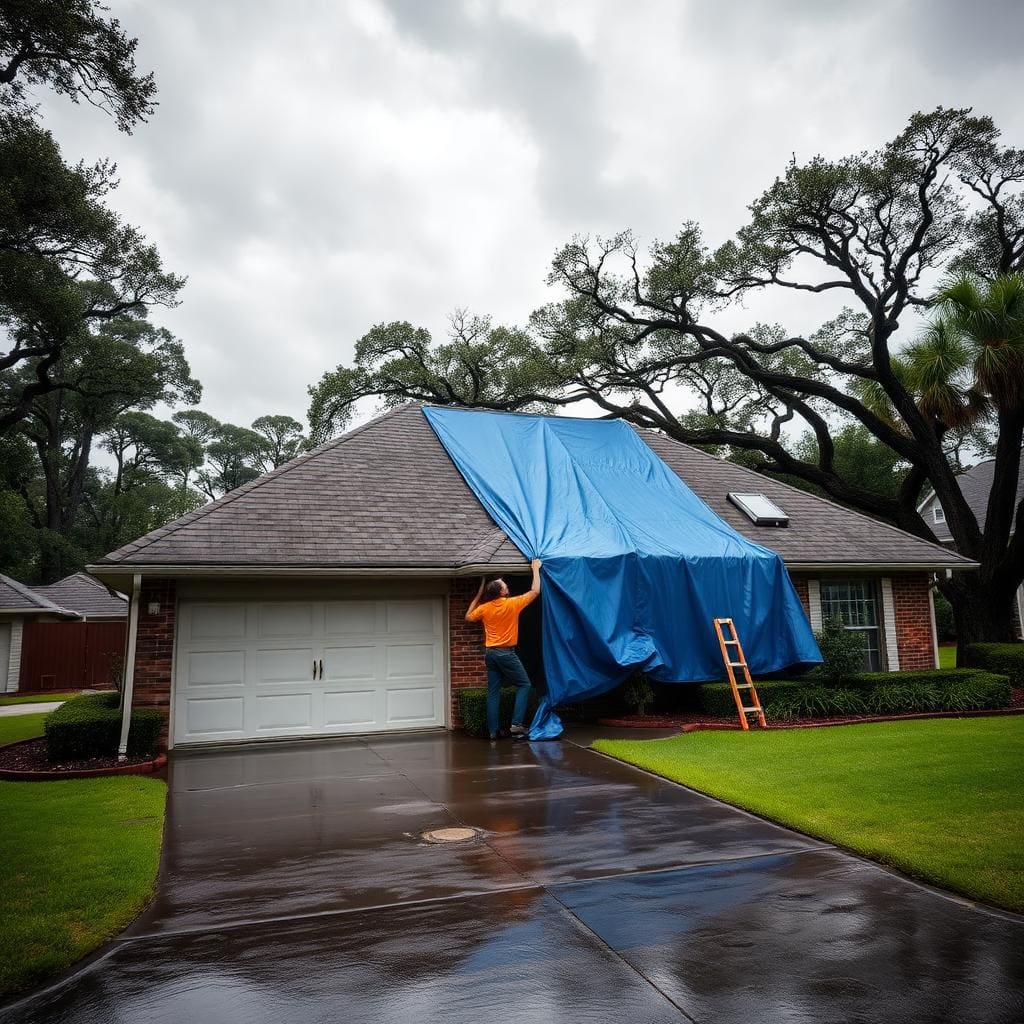
If shingles, tree limbs, or debris are on the roof, do not try to remove them yourself. A licensed Baton Rouge roofing contractor can safely tarp the roof to stop further water intrusion, which limits how much damage the storm ends up causing.
2. Document the storm damage thoroughly
Good documentation is the foundation of every decision that follows, from choosing a repair over a replacement to showing what the storm did versus what was already worn out. More detail is always better.
- Take date-stamped photos and video of every side of the roof from the ground.
- Capture close-ups of missing shingles, hail bruises, exposed underlayment, bent flashing, and damaged vents.
- Photograph leak evidence: ceiling stains, wet insulation, damaged vents, and any belongings affected by leaks.
- Save weather reports or news coverage confirming the storm date and severity in the Baton Rouge area.
- Keep receipts for tarps, temporary repairs, and anything else you spend because of the damage.
3. Get a professional roof inspection
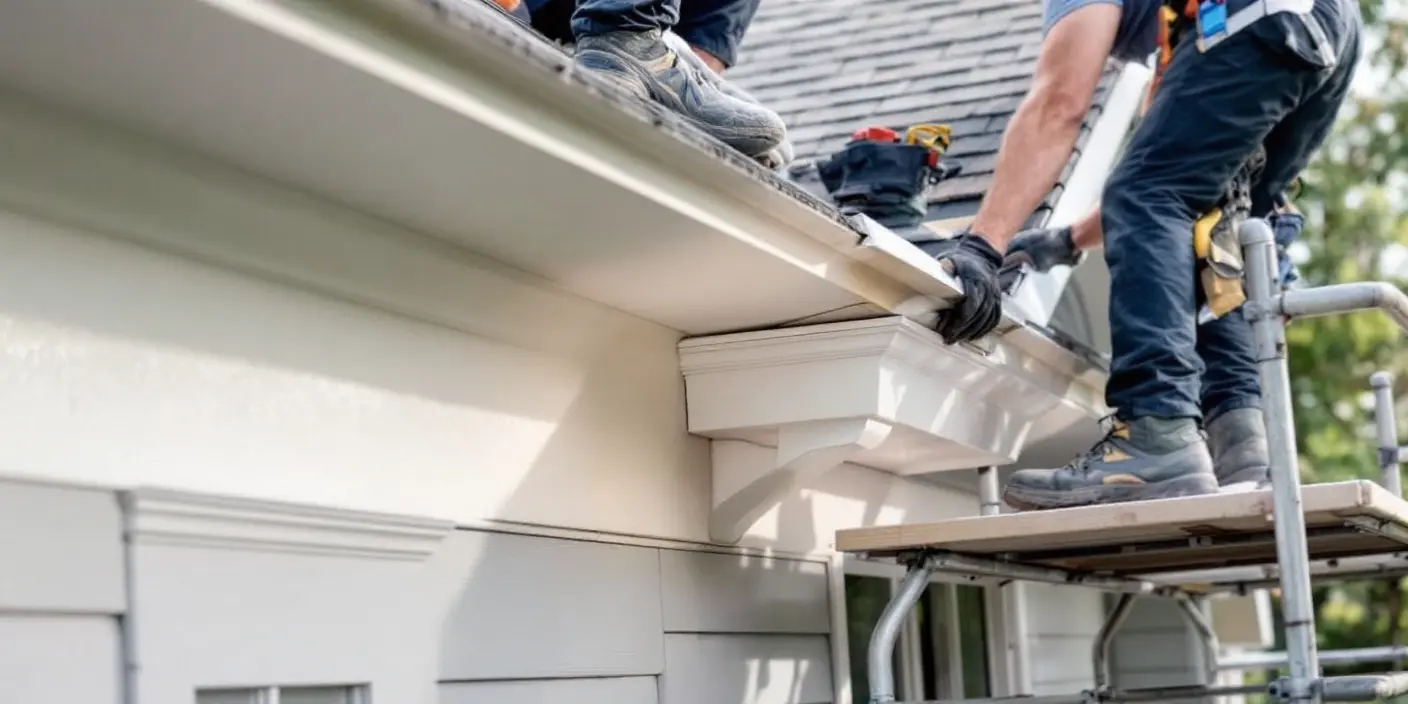
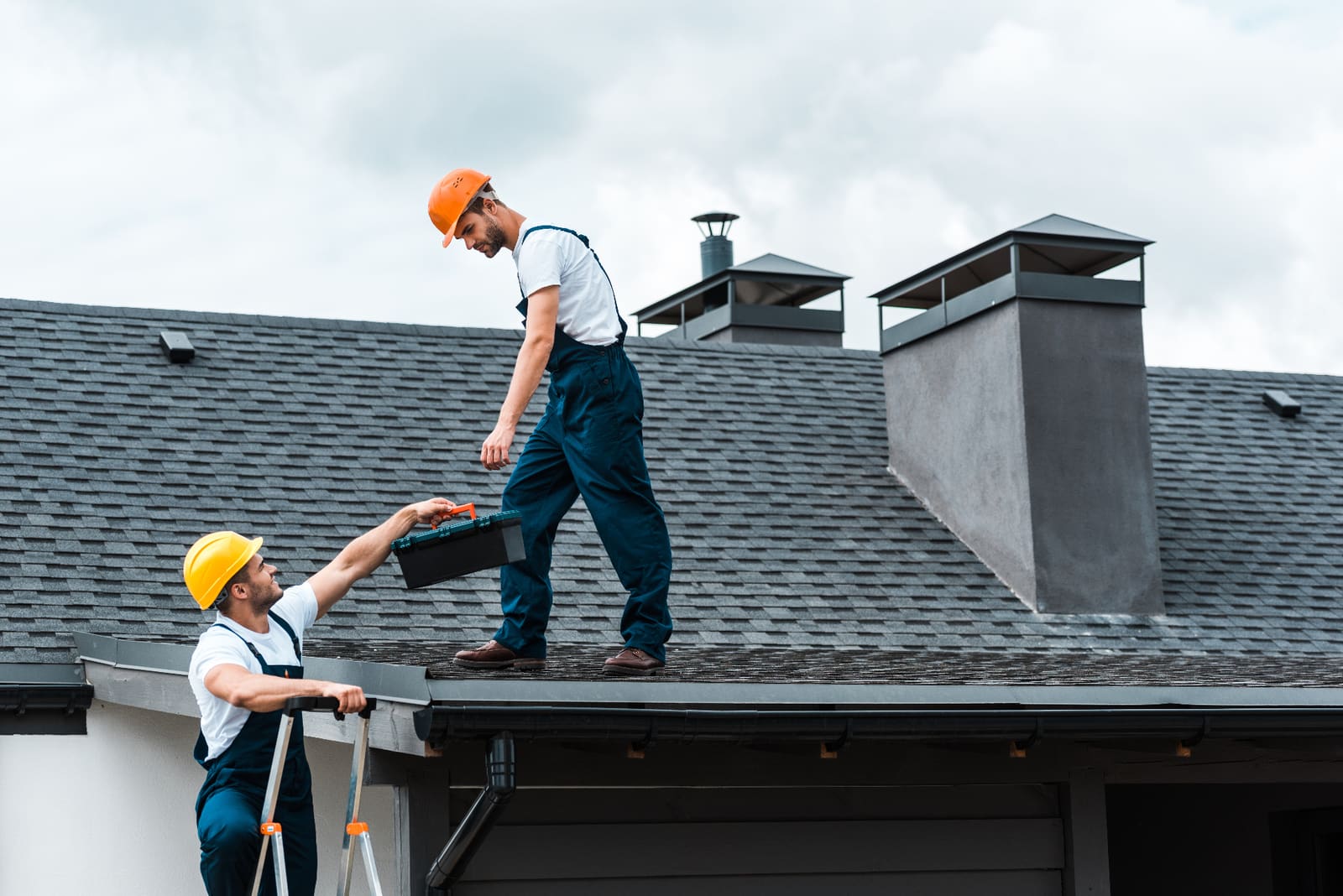
Homeowners often miss damage that a trained roofer will catch, like hail bruising on asphalt shingles, cracked pipe boots, lifted flashing, or granule loss that shortens the roof's remaining life. A free inspection from a local contractor gives you an independent, dated record of the storm damage.
Ralph's Roofing & Restoration provides free storm damage inspections across Baton Rouge, Prairieville, Denham Springs, Zachary, Central, and surrounding Louisiana communities. We photograph and document everything so you have a clear written scope of damage in hand.
4. Keep your own written record
Start a simple log the day of the storm: the date and time it hit, what you noticed and when, every phone call or email you make about the damage, and who you spoke with. Photograph anything that changes, like a stain that keeps spreading across a ceiling.
Store everything in one place, ideally a single folder on your phone or computer with photos, receipts, weather records, and contractor reports together. Organized records save you a lot of frustration weeks later.
5. What a good written damage report includes
That document belongs to you. Keep it for your records, use it to compare bids, or submit it yourself wherever you need to.
- Dated close-up photos of every slope, valley, vent, and flashing detail.
- Roof measurements, slope count, and pitch.
- Test square results where hail impact is suspected.
- A plain-language summary of what is damaged and what most likely caused it.
- An itemized scope of work with pricing, showing what is included and what is not.
6. Choose the contractor carefully
Avoid storm chasers who show up door-to-door after every hurricane. Choose a licensed, insured, local Louisiana roofing contractor with a physical address, real reviews, and a workmanship warranty you can actually enforce years from now.
Get the scope, materials, and price in writing before any work starts, and make sure the contract spells out what happens if the crew finds rotted decking or other hidden damage during tear-off.
7. A realistic timeline after the storm
Widespread hurricane events stretch these windows out as material supply and crew availability tighten across the region. Getting documented early is what keeps you near the front of the line.
- Day 0 to 2: Document the damage, tarp the roof, and schedule a contractor inspection.
- Day 1 to 3: Receive the dated photo report and itemized written scope.
- Day 3 to 14: Compare options, choose your contractor, and get on the schedule.
- Day 14 to 45: Roof repair or replacement completed, with finished photos and warranty paperwork.
Get your Baton Rouge storm damage documented
Ralph's Roofing & Restoration has inspected and repaired storm-damaged Baton Rouge roofs since 2011. We walk the roof, photograph everything, and hand you a dated written report with an itemized scope, usually the same day, then handle the repair or replacement in-house when you are ready.
Get help
Storm damage to your roof? Contact Ralph's Roofing & Restoration for a free Baton Rouge inspection and a written damage report.